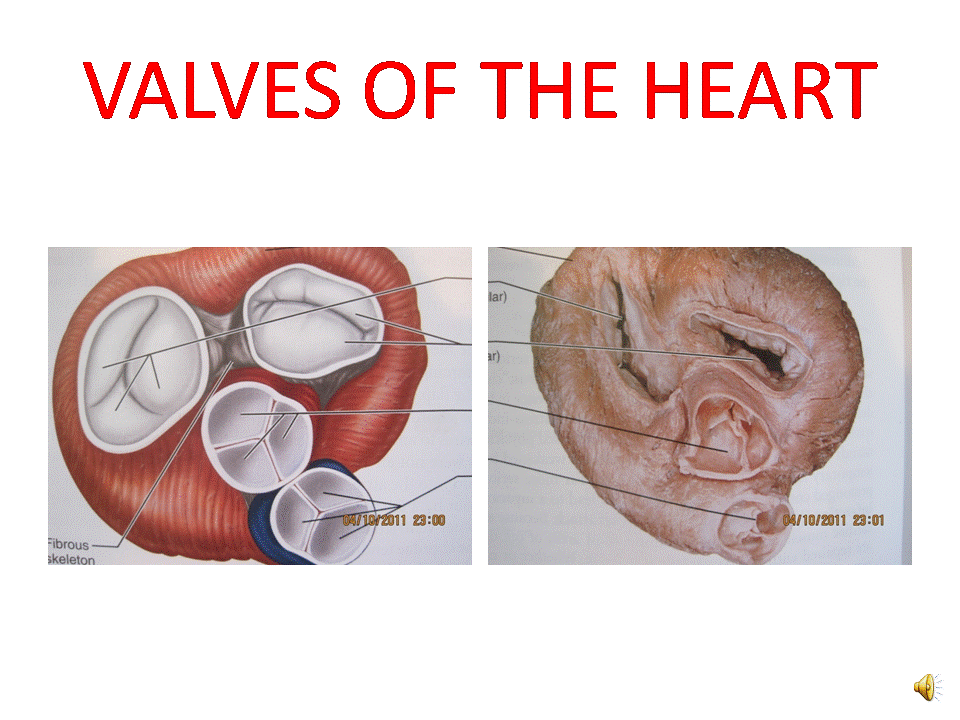
Heart Anatomy With Valves Biology Diagrams Heart sounds occur from the closing of heart valves, just like a door slamming shut, and the sound is transmitted in the direction of blood flow. There are four valves in the heart: two atrioventricular (AV) valves and two semilunar valves. The two atrioventricular valves separate the atria from the ventricles and include the tricuspid valve on Anatomy of the heart and blood flow (video) Basics about S3, S4, and heart murmurs; Don't forget to take the heart sounds quiz when you are done reviewing Memorize the information below because it is crucial in understanding heart sounds and which valve represents each sound.

These sounds, primarily the "lub-dub" generated by the closure of heart valves, serve as a diagnostic tool for assessing heart health. The "lub," or first heart sound (S1), corresponds to the closure of the atrioventricular valves, signaling the onset of ventricular systole. Heart sound 1 (S1) is the normal systolic heart sound. It is the first heart sound and is the "lubb" sound in lubb-dupp. The S1 sound is made when the mitral and tricuspid valves close, preventing blood from backflowing into the atria.

S1 and S2 Heart Sounds, Extra Heart Sounds Biology Diagrams
The atrioventricular valves are located between the atria and the ventricles. They close during the start of ventricular contraction (systole), producing the first heart sound. There are two AV valves: Tricuspid valve - located between the right atrium and the right ventricle (right atrioventricular orifice). It consists of three cusps What are the symptoms of heart valve problems? Some people can have a heart valve condition but not have any symptoms at all. Heart valve conditions tend to get worse over time, so symptoms may appear as a person gets older. The sound of your heartbeat is the sound of your heart valves opening and closing. The first sign of a heart valve Vibrations from closing the two valves known as the mitral and tricuspid valves cause the first "lub" heart sound. These valves close to prevent blood from flowing into either atrium after the

Basics of Heart Sounds - S1 and S2 heart sounds. There are 2 main heart sounds that can be heard during auscultation: S 1 and S 2, also affectionately known as 'lub' and 'dub' respectively.. The S 1 and S 2 heart sounds are part of the normal heart sounds. Source: University of Michigan Murmur library S 1 heart sound corresponds to the closing of the mitral and tricuspid valves